Multi-Location & Franchise Review Management: The Enterprise Playbook
Managing reviews across 10, 100, or 1,000 locations requires systems, not spreadsheets. Here's how enterprise brands structure their reputation programs.
By Review Remover Editorial Team
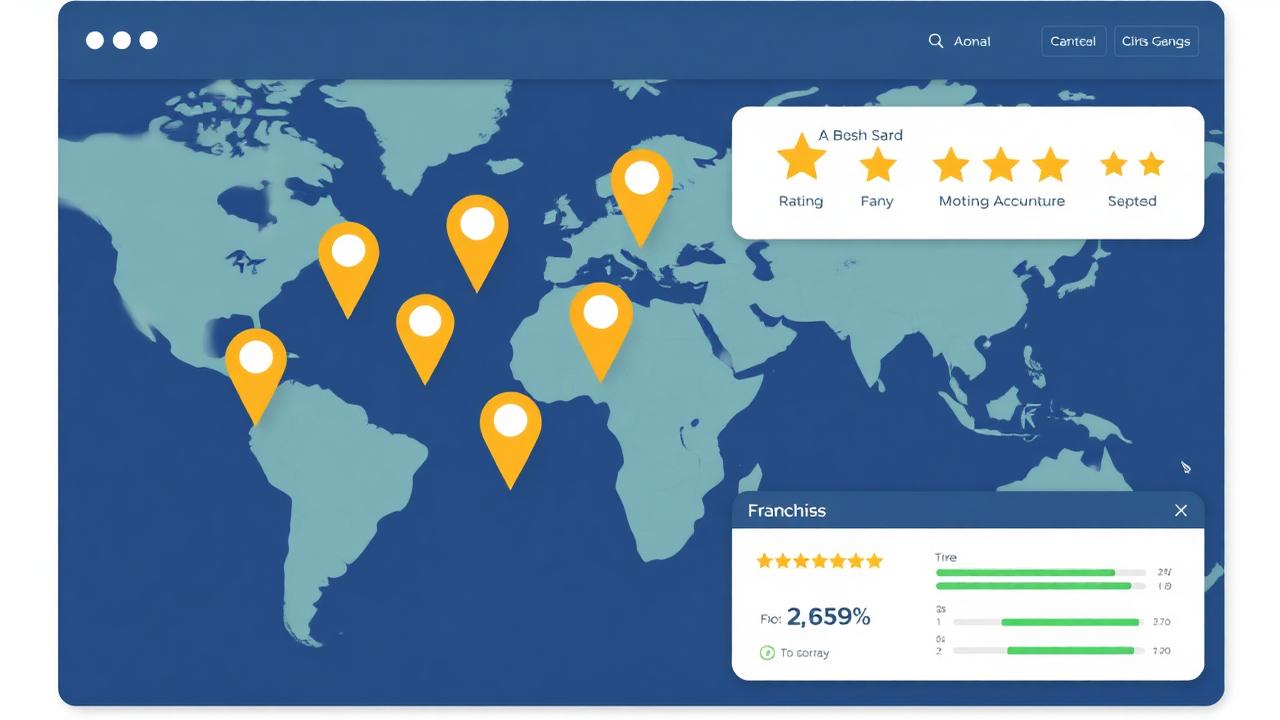
Multi-location brands face a reputation problem that scales non-linearly. A ten-location brand generates roughly 500–1,000 reviews per year across major platforms. A 500-location brand generates 25,000–50,000. Manual monitoring stops working around 25 locations; without systems, ratings drift downward as low-performing locations drag the aggregate.
The first architectural decision is centralized vs distributed response. Centralized (corporate handles all responses) ensures brand voice consistency but adds latency. Distributed (each location responds) adds speed but risks off-brand or non-compliant responses. Most enterprises settle on a hybrid: templates from corporate, local execution with approval workflows for complex cases.
Aggregated dashboards are non-negotiable at scale. Every major reputation platform (Podium, Birdeye, Reputation.com, Yext, Rio SEO) offers multi-location dashboards with per-location ratings, review velocity, response rates, and sentiment analysis. Pick one and standardize enterprise-wide.
Response rate is the single highest-leverage KPI. Locations with 100% response rates consistently outperform locations with lower rates on new-customer acquisition. Corporate should mandate a 100% response rate with a 48-hour SLA — measured, reported, and tied to franchisee/GM compensation where possible.
For franchises specifically, review management responsibilities should be spelled out in the franchise agreement. Corporate owns brand-level enforcement (guideline compliance, HIPAA/legal review of responses if applicable, coordinated crisis response); franchisee owns location-level day-to-day. Ambiguity here creates finger-pointing when problems arise.
Removal workflows benefit enormously from centralization. Corporate legal or a specialized reputation partner can spot patterns across locations (a serial reviewer hitting multiple franchisees), identify defamation with more leverage, and file removals with platform enterprise contacts unavailable to individual locations.
Location-level rating variance is the enterprise reputation problem. In our client base, brands with average 4.5-star ratings often have individual locations at 3.6 or worse. Those locations are usually invisible to corporate until they show up in franchisee grievances. Monthly variance reports catch these locations before they impact market-level search visibility.
For grand opening reviews (the first 30 days), corporate should provide a location launch kit: pre-approved review request cadences, table tent/receipt language, staff training on asking, and a dedicated coordinator to walk each location through the first 90 days. The first 100 reviews shape the location's baseline for years.
Finally, invest in a reputation crisis playbook. Every enterprise will face a viral incident at some point — a customer-service failure recorded and posted, a foodservice incident, an employee-conduct video. Having pre-approved response templates, escalation contacts, and a decision tree for every major platform saves 24–48 hours in the critical window.
Dealing with a fake or unfair review?
Get a free review audit. We'll tell you if the review violates platform guidelines and is eligible for removal.
Request Free Audit